Before It Was Mainstream
Prompted by residents’ early concerns, local communities began leading the way on climate and water action—supported by region-specific knowledge and tools that continue to shape the Basin’s future.
Laying the Groundwork for Local Climate and Water Action
In the late 1990’s, climate change and water scarcity were rarely topics of conversation around kitchen tables or in rural council chambers. Yet Basin residents were noticing changes in their environment and raising questions about the future of their communities.
Listening to this early foresight, Columbia Basin Trust began exploring ways to help residents prepare for the challenges ahead. The solution started with something that didn’t yet exist: Basin-specific knowledge. At the same time, the Trust worked to give communities practical tools to act on that knowledge. This approach became the blueprint for decades of environmental work, shaping both climate and water initiatives across the region.

The Water Connection
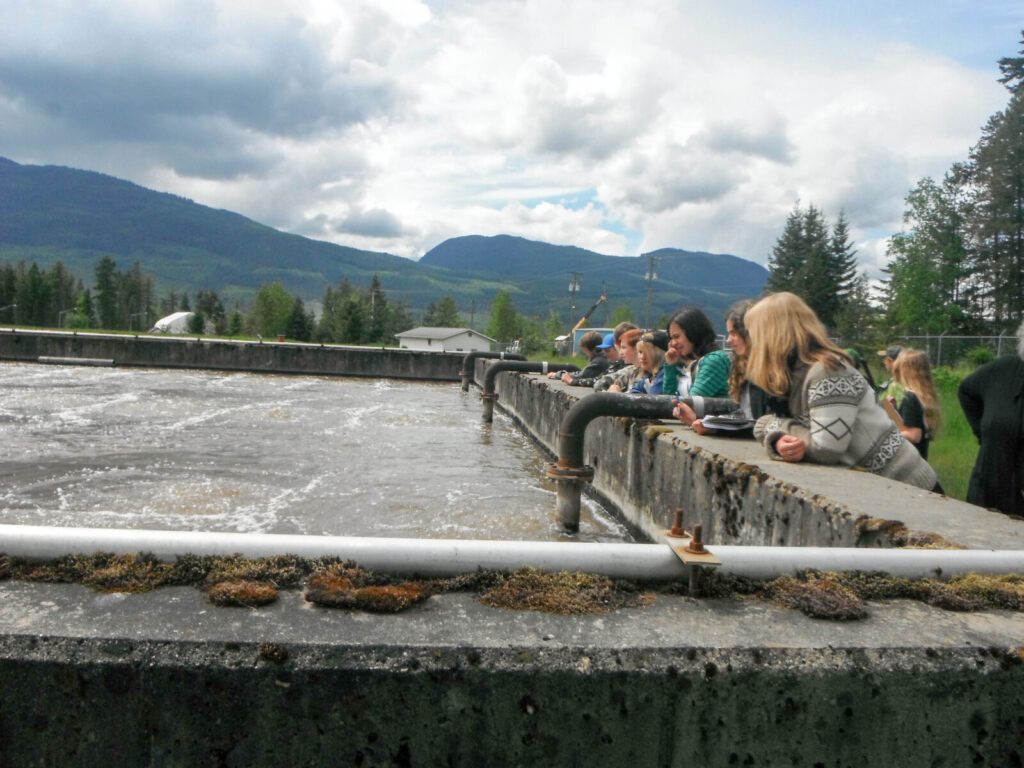
One of the Trust’s earliest environmental priorities was water. In 2003, it formed a Water Advisory Panel to bring together experts who could provide strategic direction on water issues unique to the Columbia Basin.
That early vision led to programs like Water Smart and the Water Ambassador network, developed in partnership with local governments. These programs gave communities practical ways to
track water use, educate residents, and implement conservation measures tailored to local needs. The results were tangible.
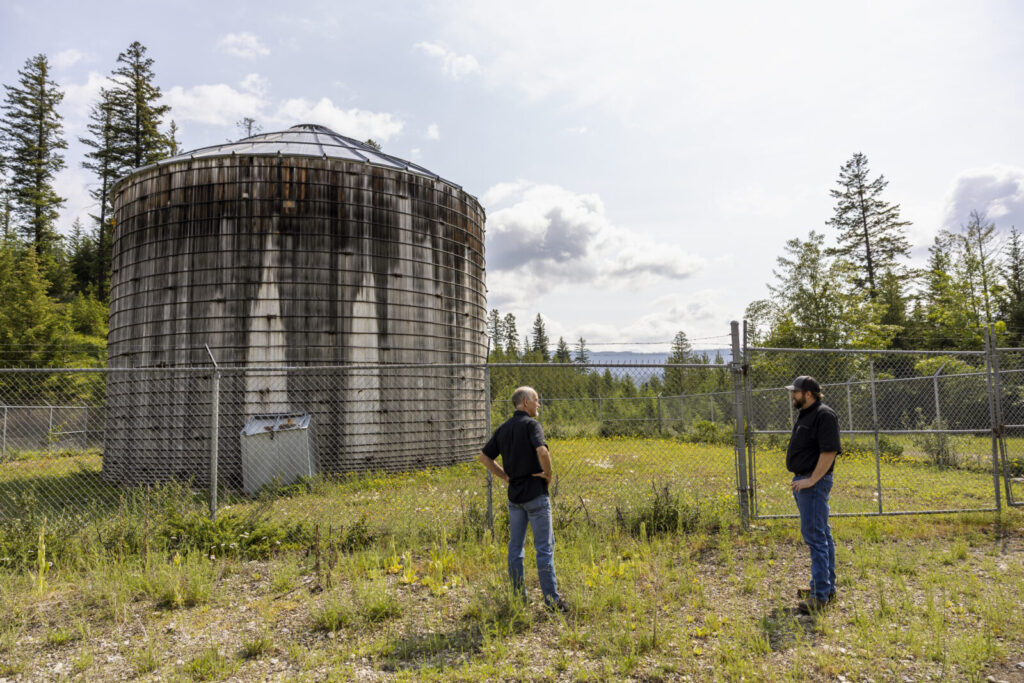
Communities such as Elkford have reduced treated water use by millions of litres each year through Trust-supported initiatives—proof that early investments can have lasting benefits. Today, the Trust has convened a new Water Taskforce to explore emerging challenges, but the foundation laid over 20 years ago remains central: collaboration and local action.
Taking on Climate—Before It Was The Headline News
Around the same time, the Trust began addressing another emerging concern: climate change. In 2003, it hosted a two-day workshop to help residents understand what climate change could mean for the region—a conversation that was rare at the time. This early momentum led to major research collaborations, including technical reports with the University of Victoria and partnerships with the Columbia Basin Rural Development Institute.
These studies provided the first Basin-wide data on shifting weather patterns, snowpack trends and glacier change. But research was only the first step. The Trust also worked directly with local governments, helping them sign onto the Columbia Basin Climate Charter and supporting them to integrate climate considerations into community planning.
One of the most visible outcomes is Climate Source, launched in 2018—a public, interactive portal that translate complex climate science into clear, localized information. Updated this spring, it continues to guide municipalities, First Nations, and organizations in developing climate adaptation and mitigation strategies.
A Lasting Approach
The Trust’s work in water and climate share the same DNA:
- Anticipate challenges long before they become urgent
- Invest in regionally relevant research
- Convene and collaborate with local governments, First Nations and organizations
- Support implementation of solutions designed for the Basin’s unique geography and communities.
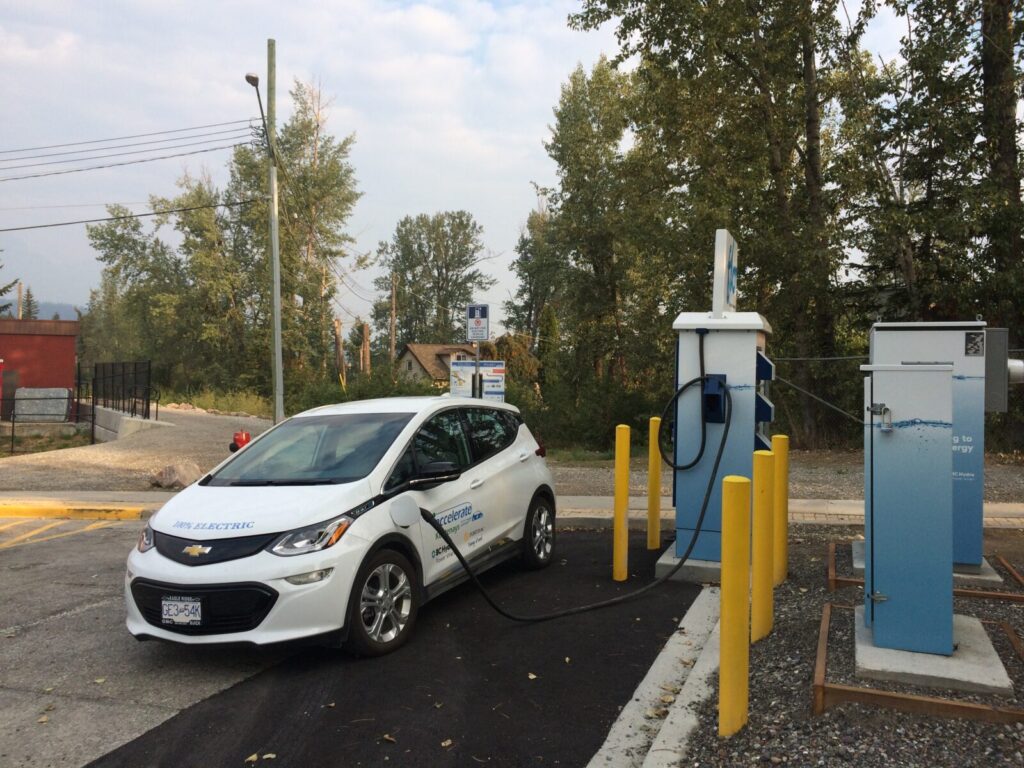
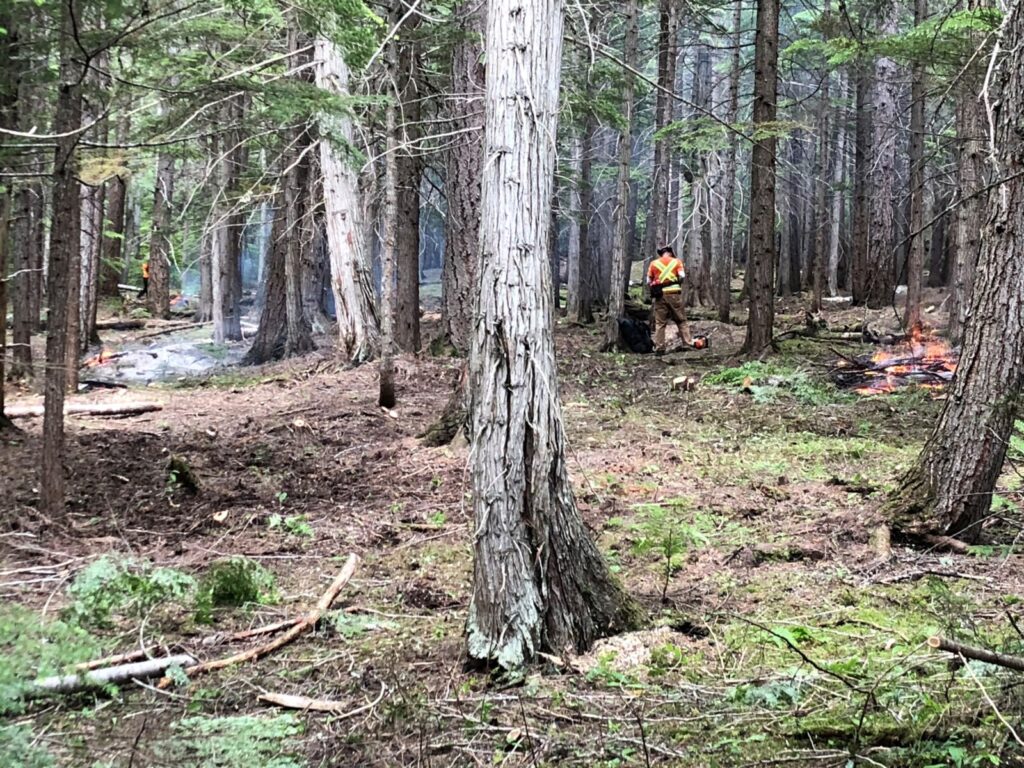
While many Trust programs today— like energy retrofits, wildfire resilience and land conservation—
carry climate and environmental benefits, the long-term impact of these early investments is clear. As Johnny Strilaeff, Trust President and CEO, puts it: “This kind of work isn’t always visible, but it’s foundational. The data, the partnerships, the local know-how—they all give our communities the ability to respond to challenges in ways that make sense here in the Basin.” Thirty years on, the Trust’s environmental work is still defined by the same principle that guided it in 1997: look ahead, build capacity and act together.