Firesmart activities come to more Basin communities
A Province/Trust partnership provides nearly $1.8 million to 11 local projects From educating residents on how to lower the risk of wildfire, to reducing the amount of vegetation that could […]
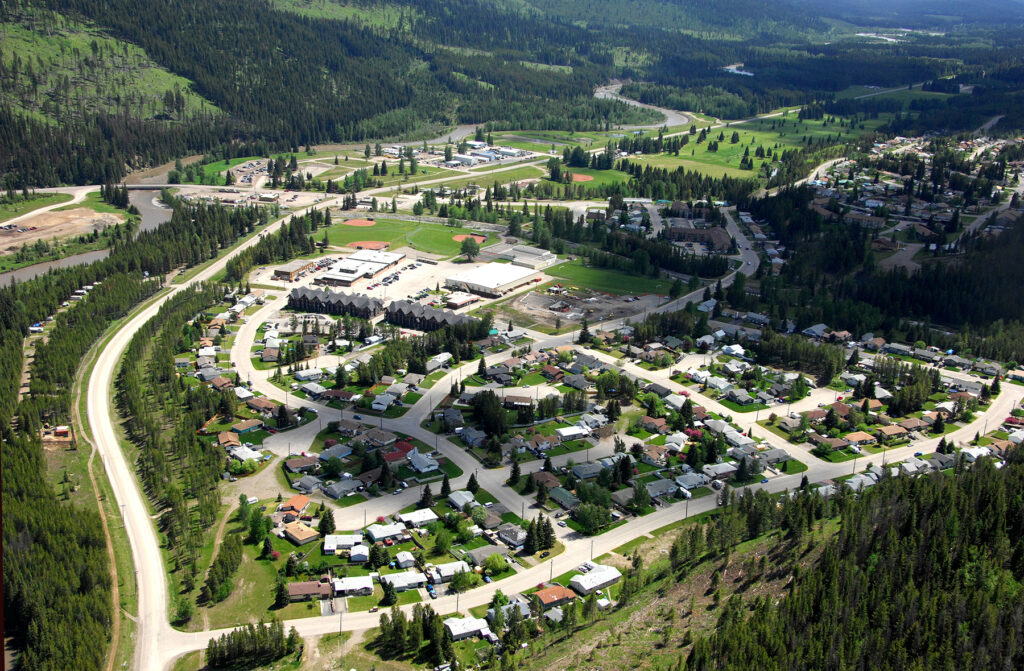
The District of Elkford is reducing the risk of wildfire with support from a partnership between the Province of British Columbia and Columbia Basin Trust.
A Province/Trust partnership provides nearly $1.8 million to 11 local projects
From educating residents on how to lower the risk of wildfire, to reducing the amount of vegetation that could fuel a fire, there are many ways a community can act to keep the threat of wildfire at bay. Now, 10 communities in the Columbia Basin are undertaking such projects with support of nearly $1.8 million provided through a partnership between the Province of British Columbia and Columbia Basin Trust.
Tailored specifically to the Basin, this program is one aspect of the Province of BC’s Community Resiliency Investment Program. Partners include the Ministry of Forests, BC Wildfire Service and Columbia Basin Trust, which is administering the funding.
“FireSmart activities are a key component to improving the resiliency of communities across BC,” said Bruce Ralston, Minister of Forests. “As we navigate the challenges posed by increasing wildfire risks, supporting funding for communities to engage in FireSmart activities is not just an investment; it’s a commitment to our collective safety and resilience.”
“Communities dedicated to reducing the threat of wildfire are accessing this program to receive the support and project development advice they need to undertake this critically important work,” said Johnny Strilaeff, President and CEO, Columbia Basin Trust. “Their efforts attest to what can be done when we work together, and we thank the Province of BC for its ongoing collaboration with us when it comes to mitigating the risk of wildfire in the Basin.”
The program supports a range of projects. For example, actions may include hiring a FireSmart coordinator, developing plans to treat wildfire fuels, carrying out innovative fuel management activities or providing training on how to do FireSmart assessments. In the program’s first intake in winter 2023, 20 projects received $2.5 million.
To view the list of recently approved projects, click here. Here are a few examples:
To reduce wildfire risk in the community, the District of Elkford is hiring a FireSmart Coordinator, who will promote FireSmart principles to residents and contractors.
“The new FireSmart Coordinator will educate the residents of Elkford on how to incorporate FireSmart principles into their properties,” said Enzo Calla, Director of Fire & Emergency Services. “They will also work with the District’s Planning and Development Services department on how to incorporate FireSmart principles into new developments.”
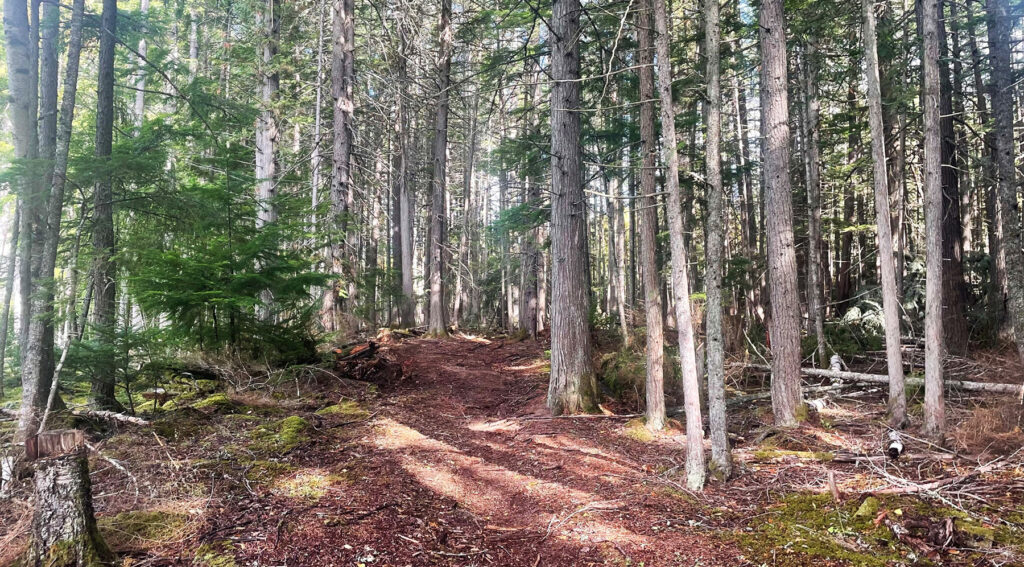
The Lardeau Valley Opportunity LINKS Society is taking a number of actions to minimize the hazards of wildfire in the valley. With this funding, it’s hiring a part-time FireSmart Coordinator. In addition, it’s doing fuel management on 10 hectares of the forested land around Jewett Elementary School in Meadow Creek, creating a demonstration site that will increase wildfire resilience for the school and immediate area, as well as educate the extended community.
“Through a multifaceted approach, our project aims to address the valley’s priorities and plans for wildfire resiliency,” said Chelsey Jones, Executive Director. “While ensuring the safety and well‐being of the surrounding neighborhoods, the fuel management location also offers an invaluable opportunity to educate the public on FireSmart practices and promote the importance of proactive wildfire prevention within the broader community.”
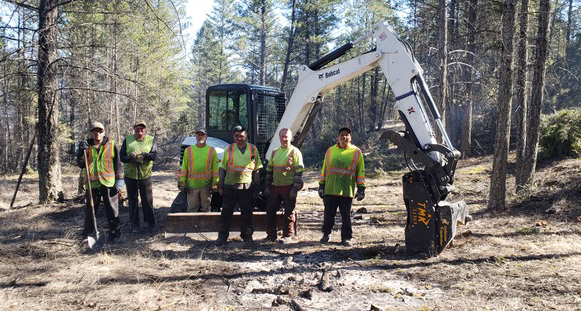
Near Rosebery on Slocan Lake, 10 hectares of Crown land is benefiting from FireSmart fuel-reduction practices like removing secondary growth, brush and downfall. The project is being spearheaded by the Rosebery Community Association.
“Building upon successful community FireSmart activities over the past several years, this prescription will reduce fuel sources for natural‐ and human‐caused fires and limit the spread of fires that do occur,” said Kay Schweitzer, Chair. “This will immediately reduce wildfire risk for some of the community’s most heavily used recreational and residential areas and create a defendable and accessible fire break through the middle of the community.”
To reduce the danger introduced by influences like Douglas fir ingrowth and the encroachment of common juniper, the Shuswap Band is undertaking wildfire risk-reduction treatments on 31 hectares of Crown land near the Shuswap reserve and surrounding community.
“The Shuswap Band, historically stewards of the land, has a significant recent history of land management in the local area with respect to forest fuel management and ecosystem restoration.
This project follows several years of successful activities,” said Sierra Stump, Lands Manager. “With this treatment, forest fuel loading will be significantly decreased, reducing the intensity and rate of spread of wildfire and decreasing the threat to the adjacent surrounding community infrastructure.”
The program builds on a previous partnership between the Trust and the Province, which aimed to help Basin communities build wildfire resiliency while recovering from the economic impacts of the pandemic. Through it, 29 projects in the Basin received $3.1 million and created 293 jobs.